Understanding and Mitigating Toxic Gas Hazards in the Workplace
In the intricate web of industrial operations, an often unseen yet potent danger exists: toxic gas hazards. The American Industrial Hygiene Association reports that thousands of workers are exposed to harmful substances annually, with gases being a significant contributor. These invisible threats are prevalent across a multitude of sectors, from sprawling chemical plants to specialized manufacturing units. The consequences of unmanaged toxic gas exposure can be dire, ranging from immediate health crises and worker safety incidents to long-term illnesses and significant operational disruptions. This article aims to illuminate the complexities of toxic gas hazards, guiding readers through their identification, assessment, control, and the critical role of advanced Fixed Gas Detection Systems (FGD).. Proactive gas safety measures, especially robust gas leak detection and Life Safety Systems (LSS), are not just regulatory requirements; they are fundamental to protecting lives and ensuring sustainable facility safety.
Defining Toxic Gases and Their Hazardous Nature
Toxic gas hazards refer to the dangers posed by gases that, upon inhalation, skin contact, or ingestion, can cause harm to human health or the environment. These substances can interfere with normal physiological processes, damage organs, or even lead to fatalities. It’s crucial to distinguish hazardous gases that are primarily toxic from those whose main risk is flammability (like a combustible gas at its Lower Explosive Limit – LEL) or asphyxiation by oxygen displacement (simple asphyxiants). However, many gases exhibit multiple hazards; for example, Hydrogen Sulfide (H2S) is both highly toxic and flammable. The defining characteristic of a toxic gas hazard is its inherent capacity to poison or injure biological systems. Effective Toxic Gas Monitoring (TGM) strategies are built upon understanding these specific toxic properties.
Common Classifications of Toxic Gas Hazards
Toxic gases are often categorized based on their physiological effects:
- Chemical Asphyxiants: These gases disrupt the body’s ability to transport or utilize oxygen at a cellular level. Carbon Monoxide (CO), for instance, binds to hemoglobin, preventing oxygen delivery, while other chemical asphyxiants interfere directly with cellular respiration.
- Simple Asphyxiants: While not intrinsically toxic in the same way, gases like nitrogen (N2) or argon in high concentrations can displace breathable oxygen in an environment, leading to asphyxiation. These are often discussed alongside toxic gas hazards due to similar confined space safety concerns and the need for Air Quality Monitoring.
- Irritants: These substances cause inflammation and irritation to the tissues they contact, primarily the respiratory tract, eyes, and skin. Ammonia (NH3), Chlorine (Cl2), and Sulfur Dioxide (SO2) are common examples, often triggering immediate coughing, burning sensations, and breathing difficulties.
- Systemic Poisons (Systemic Toxicants): These gases are absorbed into the bloodstream and can affect specific organs or entire body systems. For example, hydrogen cyanide (HCN) is a potent systemic poison affecting cellular respiration, while exposure to lead fumes can damage the nervous system.

Examples of Common Toxic Gases and Their Primary Hazards
- Hydrogen Sulfide (H2S): Recognizable by its “rotten egg” smell at low concentrations (though it paralyzes the sense of smell at higher, more dangerous levels), H2S is extremely toxic, acting as both a chemical asphyxiant and a nervous system depressant.
- Carbon Monoxide (CO): A colorless, odorless, and tasteless gas, CO is a silent killer, preventing oxygen uptake by the blood. It’s a common byproduct of incomplete combustion.
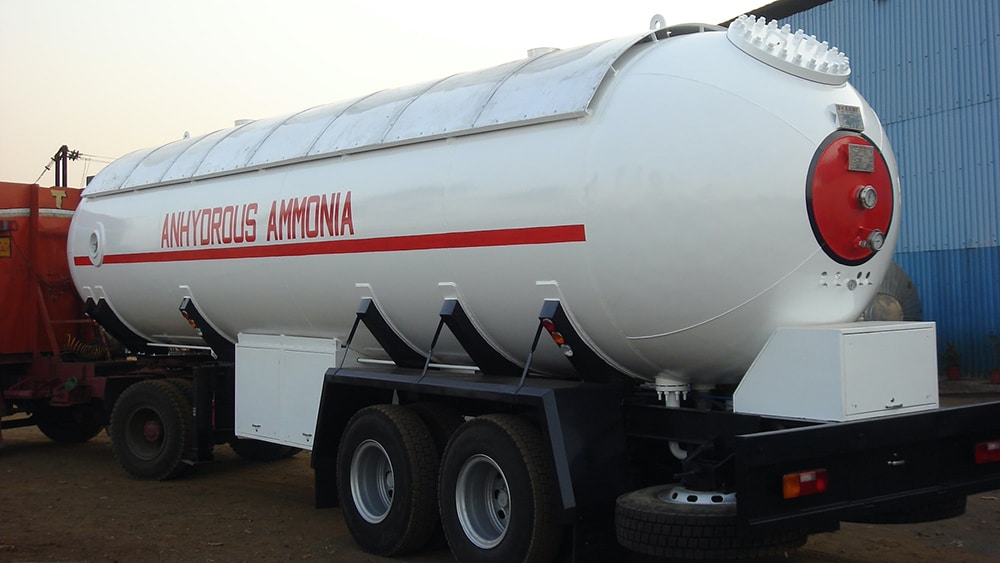
- Ammonia (NH3): Has a sharp, pungent odor and is a severe irritant to the eyes, respiratory system, and skin.
- Chlorine (Cl2): A greenish-yellow gas with a choking odor, Cl2 is a powerful respiratory irritant and can cause chemical burns upon contact.
Where Do Toxic Gas Hazards Originate?
Toxic gas hazards can arise from a wide array of sources within industrial and commercial settings:
- Industrial Processes: Many manufacturing operations, such as those in the Sensidyne case study involving specialized chemicals, chemical synthesis, petroleum refining, and metal processing, inherently use or generate hazardous gases.
- Storage: Leaks from compressed gas cylinders (a key concern in the case study), bulk storage tanks, and pipelines represent significant chemical storage safety risks, particularly in areas requiring maintenance safety protocols like cylinder change-out safety.
- Confined Spaces: Locations like sewers, tanks, silos, utility vaults, and reaction vessels often lack adequate ventilation, allowing toxic gases to accumulate to dangerous levels. Confined space entry procedures are vital in these Hazardous Area Locations (HAZLOC).
- Combustion Byproducts: Incomplete combustion from furnaces, engines, boilers, and fires can release toxic gases like CO, nitrogen oxides (NOx), and Sulfur Dioxide (SO2).
- Decomposition: The anaerobic breakdown of organic matter, common in wastewater treatment plants, agricultural manure pits, and landfills, can generate H2S and methane (CH4), contributing to unsafe atmospheric conditions.
- Accidental Releases/Spills: Unforeseen incidents during the handling, transport, or transfer of chemical hazards can lead to sudden and significant releases of toxic gases.
Key Industries Facing Toxic Gas Hazard Risks
While potential exists in many workplaces, certain industries face heightened and more frequent toxic gas hazard risks:
- Oil and Gas (Exploration, Production, Refining)
- Chemical Manufacturing and Processing
- Wastewater Treatment Facilities
- Mining and Tunneling Operations
- Agriculture (large-scale livestock operations, silo gas)
- Industrial Manufacturing Safety (various sectors using specific process gases)
- Power Generation (e.g., monitoring flue gas, FGD systems)
- Emergency Response / Hazmat Teams
- Semiconductor Manufacturing
- Pulp and Paper Mills
- Laboratories and Research Facilities

Understanding the Health Consequences of Toxic Gas Exposure
The impact of toxic gas exposure on human health is primarily determined by the route of exposure (predominantly inhalation, though some gases can be absorbed through the skin), the concentration of the gas, the duration of exposure, the specific properties of the gas, and an individual’s susceptibility and overall health status. Even brief encounters with high concentrations, or prolonged exposure to lower levels, can lead to severe gas poisoning or long-term health issues.
Acute Effects of Toxic Gas Hazards
Acute effects are those that manifest shortly after exposure to a toxic gas hazard. Symptoms can vary widely but often include:
- Dizziness, lightheadedness, confusion
- Headache
- Nausea, vomiting
- Coughing, wheezing, shortness of breath, chest tightness
- Irritation of the eyes, nose, and throat
- Loss of coordination or motor control
- Loss of consciousness
- In severe cases, seizures and death.
For instance, exposure to high levels of Chlorine (Cl2) can cause immediate and severe respiratory distress, potentially leading to pulmonary edema (fluid in the lungs).
Chronic Effects of Toxic Gas Hazards
Repeated or long-term exposure to even low or moderate levels of certain toxic gases can result in chronic health problems that may take months or years to develop. These can include:
- Permanent respiratory diseases like asthma, chronic bronchitis, or emphysema.
- Neurological damage, leading to memory loss, concentration difficulties, personality changes, or peripheral neuropathy.
- Damage to vital organs such as the liver, kidneys, or heart.
- Increased risk of developing certain types of cancer (e.g., benzene and leukemia).
- Reproductive health issues or developmental problems in offspring.
The Danger of Odorless/Non-Irritating Toxic Gases (e.g., CO)
One of the most insidious aspects of many toxic gas hazards is their lack of warning properties. Gases like Carbon Monoxide (CO) are odorless, colorless, and non-irritating. Workers can be overcome by such gases without any sensory indication of danger, making reliance on human senses utterly inadequate. This underscores the critical importance of reliable Toxic Gas Monitoring Systems (TGMS) and fixed gas detectors to provide an early warning of unsafe atmospheric conditions.
Proactive Identification of Potential Toxic Gas Hazards
Effective management of toxic gas hazards begins with a thorough hazard identification process. This involves:
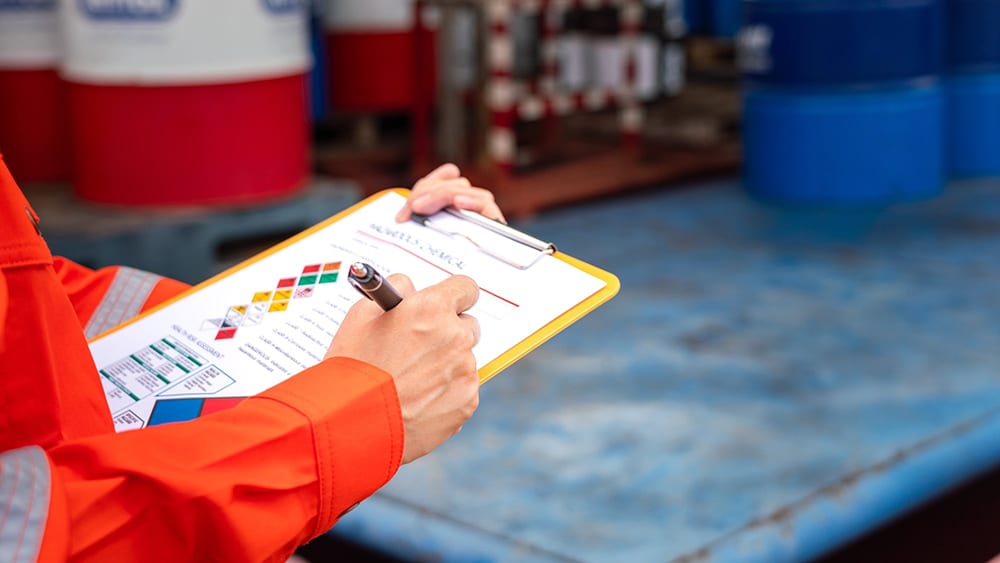
- Safety Data Sheets (SDS) Review: Diligently reviewing the SDS for every chemical used or stored in the workplace. The SDS provides crucial information on potential chemical hazards, including toxicity, physical properties, and recommended handling procedures.
- Process Hazard Analysis (PHA) / Hazard and Operability (HAZOP) Studies: Systematically evaluating industrial processes to identify potential failure points, deviations, or scenarios that could lead to the release of hazardous gases.
- Workplace Inspections and Walkthroughs: Conducting regular physical inspections of the facility, paying close attention to areas where toxic gases are used, stored (like the cylinder storage areas mentioned in the Sensidyne case study), or generated. This includes checking for potential leak points, the condition of exhaust systems, and ventilation adequacy.
- Reviewing Incident Logs and Near Misses: Analyzing past incidents, accidents, and near-miss reports involving gas leak detection failures or exposures to identify recurring problems, high-risk tasks (like cylinder change-out safety), or inadequacies in existing facility controls.
Conducting a Toxic Gas Hazard Risk Assessment
Once potential hazards are identified, a comprehensive risk assessment is necessary:
- Identify Specific Toxic Gases Present: Determine precisely which toxic gases are, or could be, present in the workplace.
- Evaluate Potential Exposure Scenarios: Consider routine operations (e.g., maintenance safety tasks, sampling), non-routine tasks, potential accidents or spills, and confined space entry requirements.
- Assess Likelihood and Severity of Exposure: Estimate the probability of an exposure event occurring and the potential health consequences (severity) if it does.
- Determine Existing Control Measures: Evaluate the effectiveness of current gas safety measures, including engineering controls, administrative controls, and PPE.
- Prioritize Actions: Focus resources on mitigating the highest-risk toxic gas hazards first.
Understanding Exposure Limits for Toxic Gases
Regulatory bodies and occupational health organizations establish exposure limits to guide workplace safety and protect worker safety. Key limits include:
- OSHA Permissible Exposure Limits (PELs): Legally enforceable limits in the United States.
- ACGIH Threshold Limit Values (TLVs): Recommendations widely considered best practice. These include Time-Weighted Average (TWA – for an 8-hour workday), Short-Term Exposure Limit (STEL – for 15-minute exposures), and Ceiling (C – a limit not to be exceeded at any time).
- NIOSH Recommended Exposure Limits (RELs): Recommendations based on comprehensive health data, often more stringent than PELs.
- Immediately Dangerous to Life or Health (IDLH) Values: The concentration from which a worker could escape without suffering escape-impairing symptoms or irreversible health effects in the event of respiratory protection failure.
- Monitoring workplace air against these exposure limits using Toxic Gas Monitoring is essential.
Applying the Hierarchy of Controls to Mitigate Toxic Gas Hazards

The most effective approach to managing toxic gas hazards is to apply the Hierarchy of Controls. This framework prioritizes control methods from the most effective and protective to the least:
Elimination/Substitution (Most Effective)
- Elimination: If feasible, completely remove the hazardous toxic gas or the process that generates it from the workplace.
- Substitution: Replace the highly toxic substance with a less hazardous or non-toxic alternative, or modify the process to use safer materials. While often the ideal solution, it can be technologically or economically challenging.
Engineering Controls: Designing Out Toxic Gas Hazards
Engineering controls involve modifying the work environment, equipment, or processes to reduce or prevent exposure to toxic gas hazards. These are preferred over administrative controls or PPE because they are designed to remove the hazard at its source. Key examples include:
- Ventilation Systems:
- Local Exhaust Ventilation (LEV): Captures contaminants at or near their point of generation before they can disperse into the general work area (e.g., fume hoods, snorkels over welding operations, exhaust duct gas monitoring points).
- General (Dilution) Ventilation: Reduces the concentration of airborne contaminants in the overall workspace by circulating fresh air. This is less effective for highly toxic substances but can supplement LEV. Crucially, exhaust systems can be interlocked with gas detection systems to activate automatically upon sensing a leak, as highlighted in the Sensidyne case study.
- Process Enclosure/Isolation: Containing the process or source that uses or produces the toxic gas to limit potential release into worker areas. This can range from fully enclosed machinery to dedicated, isolated rooms.
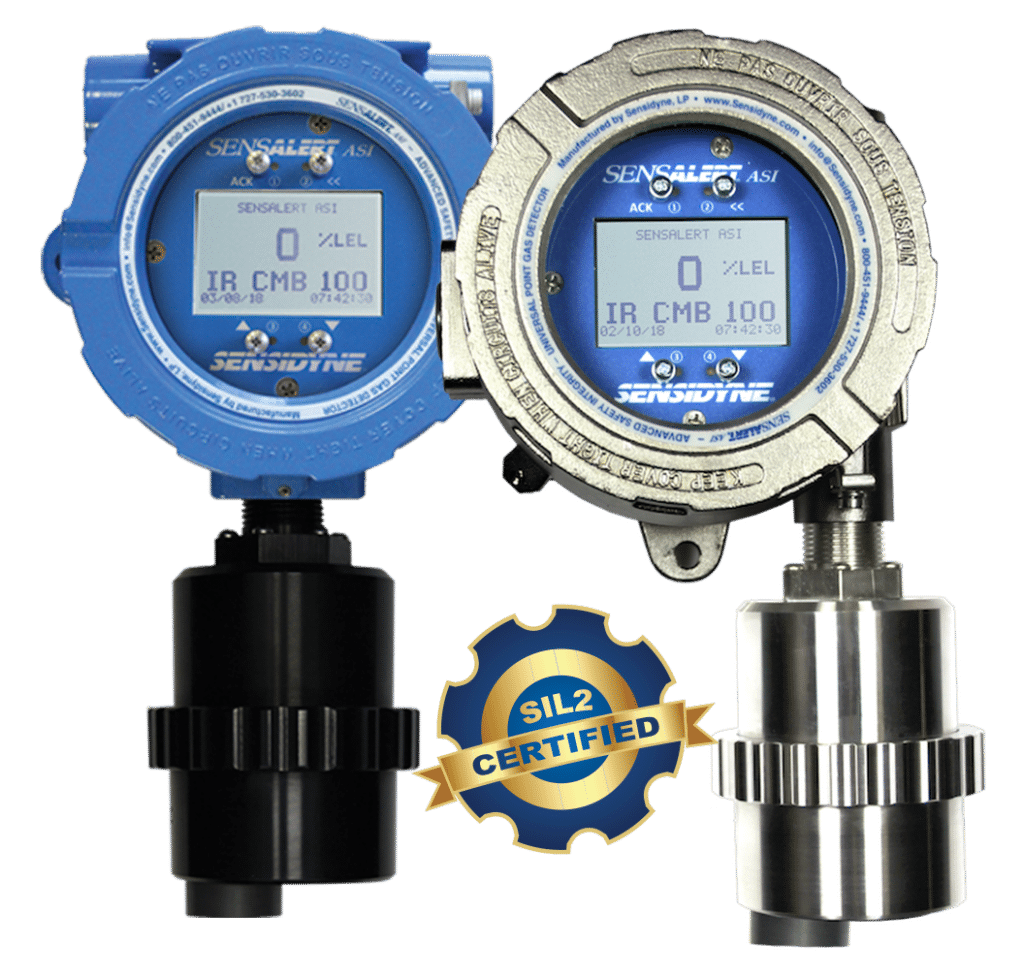
- Gas Detection Systems (FGD/TGMS/LSS): Installing fixed gas detectors in areas with potential for leaks (like near gas cylinders, process lines, or within Hazardous Area Locations like Class 1, Div 1 or Class 1, Div 2 zones) for continuous real-time monitoring. These systems are fundamental Life Safety Systems (LSS), providing early warnings through alarms and capable of triggering automated responses like activating ventilation or initiating shutdowns. The Sensidyne SensAlert ASI system, with its gas detection transmitters and gas detection controller, exemplifies such an engineering control by providing remote indication and initiating facility controls.
Administrative Controls: Safe Work Practices for Toxic Gas Environments
Administrative controls are work practices and procedures designed to reduce the duration, frequency, or intensity of exposure to toxic gas hazards. These include:
- Safety Response Specifications (SRS): Identifying the functional actions associated with unsafe levels of toxic gases, which may include ventilation, gas delivery and worker notifications such as horns and strobes.
- Standard Operating Procedures (SOPs): Developing and strictly enforcing clear, written procedures for tasks involving toxic gases, including handling, storage, maintenance safety (like cylinder change-out safety), and confined space entry protocols.
- Worker Training: Providing comprehensive training on hazard identification, specific toxic gas hazards, gas safety practices, emergency procedures (including evacuation procedures), proper use of gas sensors and portable monitors, and the selection, use, and limitations of respiratory protection.
- Signage and Labeling: Using clear warning signs to indicate areas with potential toxic gas hazards, identify required PPE, and mark restricted access zones. Proper labeling of pipes, containers, and gas cylinders is also vital.
- Work Permits: Implementing formal permit-to-work systems for high-risk activities such as hot work in potentially flammable atmospheres, or confined space entry into areas that may harbor toxic gases.
- Reducing Exposure Time: Scheduling work to minimize the time individual workers spend in areas where toxic gas exposure is possible.
Personal Protective Equipment (PPE): The Last Line of Defense Against Toxic Gas Hazards

PPE should be considered the last line of defense, used only after all feasible engineering and administrative controls have been implemented, or when those controls cannot adequately reduce the risk to an acceptable level.
- Respiratory Protection: The selection of appropriate respiratory protection is critical and depends on the specific toxic gas hazard, its concentration, and the oxygen level in the atmosphere. Types include:
- Air-Purifying Respirators (APRs): Use filters or cartridges to remove specific contaminants from the air. Not suitable for oxygen-deficient atmospheres or IDLH conditions.
- Supplied-Air Respirators (SARs): Provide clean breathing air from a source outside the contaminated area via an airline.
- Self-Contained Breathing Apparatus (SCBA): Provides clean air from a cylinder carried by the user. Essential for emergency response, rescue, and work in IDLH atmospheres.
Proper fit testing, training, inspection, and maintenance are crucial for the effectiveness of any respirator.
- Other PPE: Depending on the properties of the toxic gas and the potential for skin contact or absorption, chemical-resistant clothing, gloves, and eye/face protection may be required.
The Role of Gas Detection Systems in Preventing Toxic Gas Incidents
Gas Detection Systems, encompassing Toxic Gas Monitoring Systems (TGMS) and broader Life Safety Systems (LSS), are indispensable engineering controls for managing toxic gas hazards. Their primary functions are to:
- Provide early warning of gas leak detection or the buildup of hazardous gases before concentrations reach dangerous levels that could impact worker safety or facility safety.
- Allow for timely corrective action, such as initiating evacuation procedures, activating emergency ventilation systems, or triggering automated process shutdowns.
- Verify safe atmospheric conditions before personnel enter potentially hazardous areas, such as confined spaces or chemical storage rooms, as demonstrated by the Sensidyne case study where remote indication allowed verification.
Reliable gas detection significantly reduces the risk of acute toxic gas exposure and provides critical assurance for occupational safety.
Types of Gas Detection Technologies for Toxic Gases
Various gas sensors and detection principles are utilized for Toxic Gas Monitoring, each with specific strengths:

- Electrochemical Sensors: The most common technology for detecting specific toxic gases like CO, H2S, Cl2, NH3, SO2. They operate via a chemical reaction between the target gas and an electrode, generating a measurable electrical current proportional to the gas concentration.
- Metal Oxide Semiconductor (MOS) Sensors: These sensors detect changes in the electrical conductivity of a heated semiconductor material when exposed to certain gases. They can detect a broad range of combustible gas and some toxic gases.
- Photoionization Detectors (PIDs): Excellent for detecting low concentrations (ppm or ppb levels) of Volatile Organic Compounds (VOCs) and some other toxic gases. They use high-energy ultraviolet light to ionize gas molecules.
- Infrared (IR) Sensors: Primarily used for detecting hydrocarbon gases (as combustible gas) and carbon dioxide. Specific IR wavelengths can be used for certain toxic gases, though less common for broad toxic applications than electrochemical. The SensAlert ASI image noted “INFRARED (IR)” as a potential sensor type alongside “CAT BEAD”.
- Open Path Gas Detection: Uses a beam of light (often IR or UV) over a distance to detect gas clouds that intersect the beam. Useful for perimeter monitoring or large area coverage.
- Colorimetric Gas Detection: Involves chemically impregnated paper tapes or detector tubes that change color in the presence of specific gases. Often used for spot checks or short-term monitoring.
- Extractive Gas Monitoring: Draws a sample from the monitored area to a remote sensor/analyzer. Useful for harsh environments or when in-situ gas monitoring is difficult.
Fixed vs. Portable Gas Detectors
- Fixed Gas Detectors: These systems, like the Sensidyne SensAlert ASI with its gas detection transmitter units, are permanently installed for continuous, 24/7 real-time monitoring of specific locations or Hazardous Area Locations (e.g., Class 1, Div 1; Class 1, Div 2; Class 2, Div 1; Class 2, Div 2). They are typically wired to a central gas detection controller that displays readings, logs data, and activates alarm systems (audible/visual) and can initiate gas detector integration with facility controls (e.g., activating exhaust systems or emergency shutdowns).
- Portable Gas Monitors: Battery-operated devices carried by personnel for personal worker safety monitoring, for spot checks before confined space entry, or for leak pinpointing during maintenance safety tasks.
Importance of Calibration, Maintenance, and Placement for Reliable Toxic Gas Detection
For any TGMS to be effective and reliable, proper care is essential:
- Regular Bump Testing and Calibration Schedules: Calibration involves adjusting the sensor’s response to a known concentration of certified calibration gas. A bump test is a functional check to verify sensor response and alarm operation. Both are critical for ensuring accuracy.
- Sensor Lifespan and Replacement: All gas sensors have a finite lifespan and their performance degrades over time. Adherence to manufacturer-recommended replacement schedules is vital.
- Strategic Placement: Detectors must be strategically positioned near potential leak sources, considering air flow patterns and the density of the target gas (heavier gases accumulate low, lighter gases rise). The Sensidyne case study noted sensor placement above gas cylinders.
Planning for the Worst: Responding to Toxic Gas Emergencies
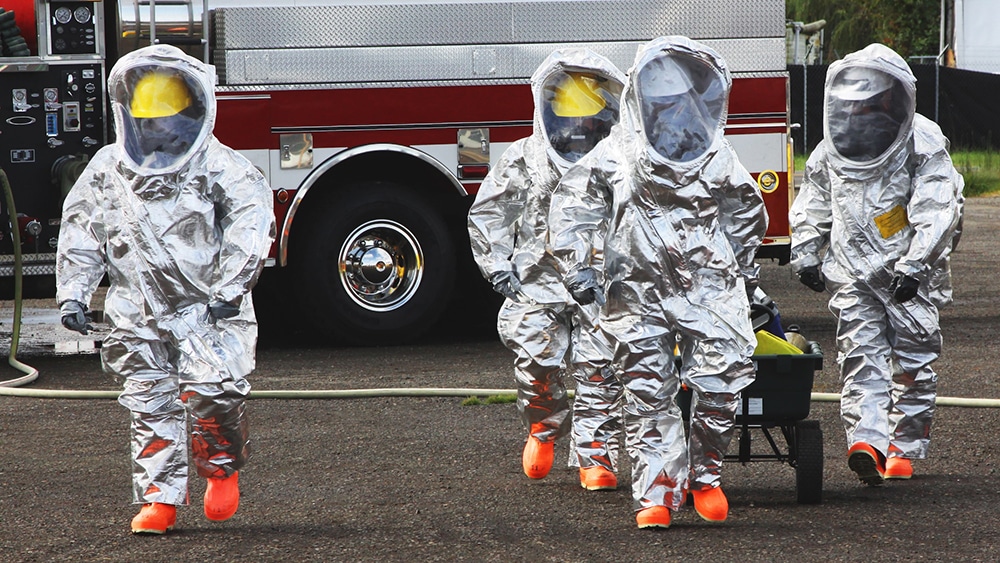
Despite robust prevention and detection measures, the potential for a toxic gas incident remains. A well-developed and regularly practiced Emergency Response Plan (EAP) is crucial for minimizing harm.
- Developing a Written EAP: This plan should detail procedures for various emergency scenarios involving toxic gas hazards.
- Alarm Systems: Ensure distinct, recognizable, and effective audible and visual alarm systems are triggered by the TGMS or LSS. Compliance with standards like NFPA 72 for alarm systems is often required.
- Evacuation Procedures: Clearly defined escape routes, designated assembly points located safely upwind from potential releases, and procedures for accounting for all personnel are essential. Regular drills should be conducted.
- First Aid and Medical Response: Train personnel in basic first aid for toxic gas exposure (e.g., moving victims to fresh air, decontamination if necessary). Ensure Safety Data Sheets (SDS) are readily available for emergency responders and medical providers. Provide access to safety showers and eyewash stations if corrosive or skin-absorbable gases are present.
- Rescue Procedures: Only properly trained and equipped personnel (using SCBA and other appropriate PPE) should attempt rescues in hazardous atmospheres, especially IDLH conditions. Define procedures for internal rescue teams or for coordinating with external emergency services.
- Incident Investigation and Reporting: Thoroughly investigate any gas leak detection event or exposure incident to identify root causes, learn lessons, and implement corrective actions to prevent recurrence.
Key Regulations and Standards Governing Toxic Gas Hazards
Compliance with relevant occupational safety regulations is mandatory for protecting workers from toxic gas hazards. Key regulatory bodies and standards include:
- Occupational Safety and Health Administration (OSHA) Standards: In the U.S., OSHA sets legally enforceable standards. Relevant regulations include the Hazard Communication Standard (HazCom 29 CFR 1910.1200), standards for specific air contaminants (Subpart Z, 29 CFR 1910.1000, including PELs), the Confined Spaces in General Industry standard (29 CFR 1910.146), and the Respiratory Protection standard (29 CFR 1910.134).
- National Institute for Occupational Safety and Health (NIOSH) Recommendations: NIOSH conducts research and provides recommendations, including RELs, which are often more protective than OSHA PELs.
- Environmental Protection Agency (EPA): The EPA regulates the release of hazardous substances, including many toxic gases, into the environment under various acts like the Clean Air Act.
- Employers must stay informed about all applicable federal, state, and local regulations pertaining to the specific toxic gas hazards present in their HAZLOC environments.
Real-World Solution: Addressing Toxic Gas Hazards with Advanced Detection
A compelling example of effective toxic gas hazard management comes from an industrial manufacturer in Florida, as detailed in the Sensidyne documentation. The Challenge was significant: their manufacturing process utilized various toxic gases, which were stored in gas cylinders within a dedicated room. This storage area required periodic worker entry for essential tasks like scheduled maintenance and cylinder change-out safety procedures. These tasks inherently carried the risk of toxic gas exposure if a leak occurred. Without a proper gas detection system in place, workers would have no indication of potentially unsafe atmospheric conditions before entering.
Solution
The Solution involved the strategic implementation of the Sensidyne SensAlert ASI Toxic Gas Monitoring System. This advanced system comprised:
- Universal Gas Detection Transmitters: SensAlert ASI transmitters, compatible with Sensidyne’s wide range of Plus Series gas sensors, were chosen to monitor for all the specific hazardous gases used by the manufacturer.
- Strategic Sensor Placement: Multiple transmitters were carefully mounted directly in the gas storage room, positioned above each gas cylinder – the most likely source of potential leaks.

- Remote Indication and Control: The gas detection transmitters communicated back to a Sensidyne 4-Channel gas detection controller. Crucially, this controller was mounted outside the storage room, providing remote indication of the atmospheric conditions within. This allowed employees to verify safe conditions before entry.
- Automated Functionality: The TGMS was designed for seamless operation. The controller automatically recognized each connected sensor, simplifying installation. In the event of a gas leak detection, the system was programmed to automatically initiate the storage room’s exhaust systems, ensuring that any leaked gas was safely displaced and ventilated away from the vicinity, safeguarding worker safety and maintaining facility safety.
Benefits
The Benefits achieved were multi-faceted and impactful: the system provided reliable, real-time monitoring and alerts; it offered a “greenlight” indication for safe entry, enhancing operational efficiency; it ensured prompt activation of facility controls (exhaust) in an emergency, facilitating safe evacuation if needed; and, most importantly, it significantly boosted worker confidence. As a Safety Manager at the plant stated, “The Sensidyne solution is reliable and easy to use. The Sensidyne SensAlert ASI assures me that our work place is safe and we count on it everyday.” This case study perfectly illustrates the power of well-designed and properly implemented engineering controls, specifically advanced gas detection systems, in proactively mitigating toxic gas hazards.
Conclusion: Prioritizing Safety in the Face of Toxic Gas Hazards
Toxic gas hazards pose a significant and persistent threat in numerous industrial environments. However, these risks are manageable through a diligent and comprehensive approach to gas safety. The cornerstones of this approach include thorough hazard identification and risk assessment, the rigorous application of the Hierarchy of Controls – with a strong emphasis on robust engineering controls like advanced Toxic Gas Monitoring Systems (TGMS) and effective ventilation systems – complemented by well-defined administrative controls, comprehensive worker training, and the appropriate use of PPE. Continuous real-time monitoring and reliable gas leak detection, such as those provided by systems like the Sensidyne SensAlert ASI, are invaluable for protecting worker safety, ensuring facility safety, and fostering a culture of confidence. Businesses must make it an ongoing priority to review, invest in, and enhance their toxic gas hazard safety programs to safeguard their most valuable asset: their people.
Contact our expert team for a consultation and to explore fixed gas detection system solutions.
Eric Morris
Sales and Business Development Manager
Fixed Gas Detection
Sensidyne, LP
1000 112th Circle North, Suite 100 | St. Petersburg, FL 33716 | U.S.A.
T: +1 727-530-3602 x 683
EMorris@Sensidyne.com|
Steve Bornoff
Business Unit Manager
Fixed Gas Detection
Sensidyne, LP
1000 112th Circle North, Suite 100 | St. Petersburg, FL 33716 | U.S.A.
T: +1 727-530-3602 x 604
sbornoff@sensidyne.com
The information provided on this website is for general informational and educational purposes only, not to be construed as professional advice.