1. What is the purpose of using air sampling pumps in industrial hygiene?
Air sampling pumps are essential for drawing a known volume of air through a collection device (e.g., filter cassette, sorbent tube) to capture airborne contaminants. This allows for subsequent analysis by a qualified lab to determine the concentration of these contaminants. Pumps are available in various flow ranges, and choosing the right pump is crucial for accurate measurements.
2. What are the different types of air sampling pumps available, and how do they differ?
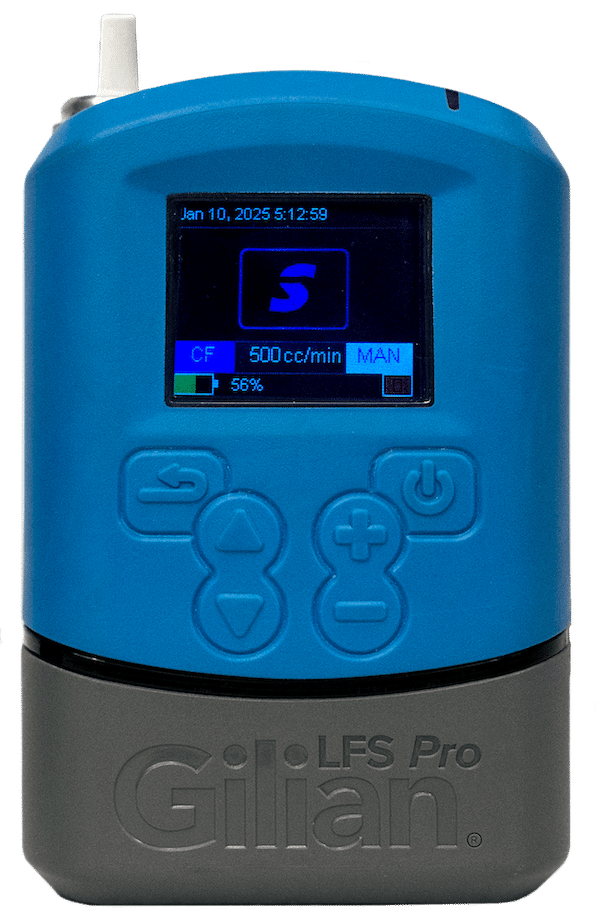
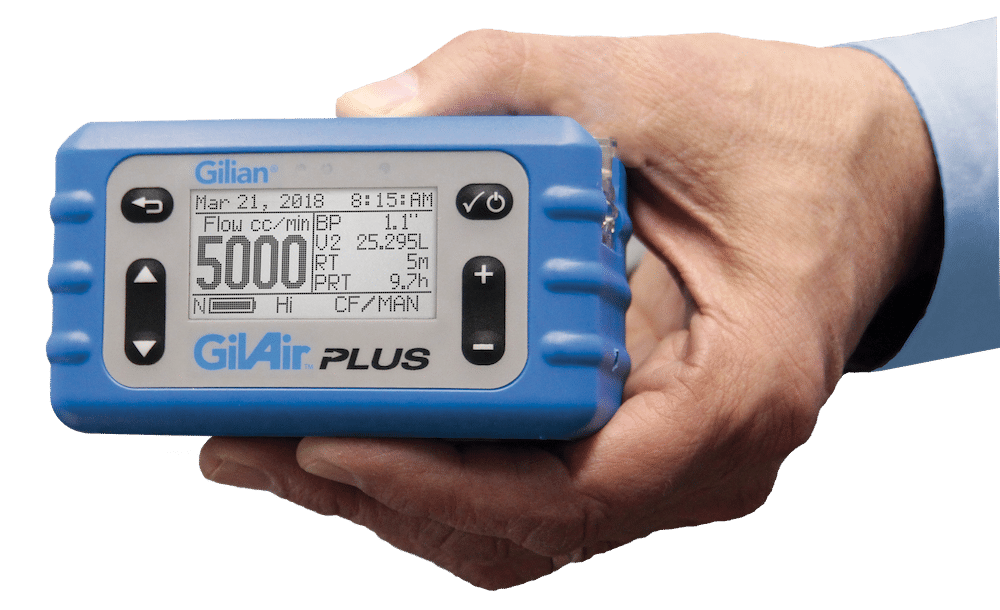
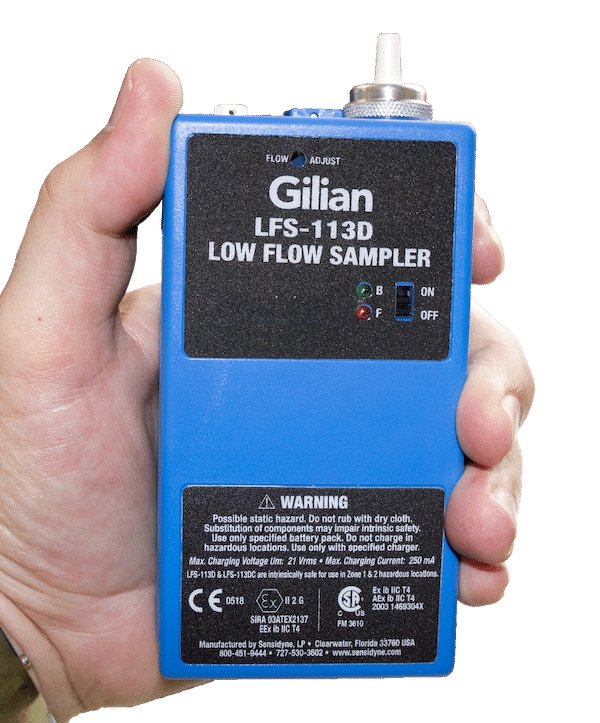
There are both personal and area air sampling pumps available. Personal pumps are typically small, portable, and designed to be worn by workers to monitor their individual exposure. Personal pumps can also vary by flow range and back pressure capabilities. Area air sampling pumps, are generally larger in size, not meant to be worn and can draw higher flow rates (30 LPM).
3. Why is calibration of air sampling equipment so important, and how is it performed?
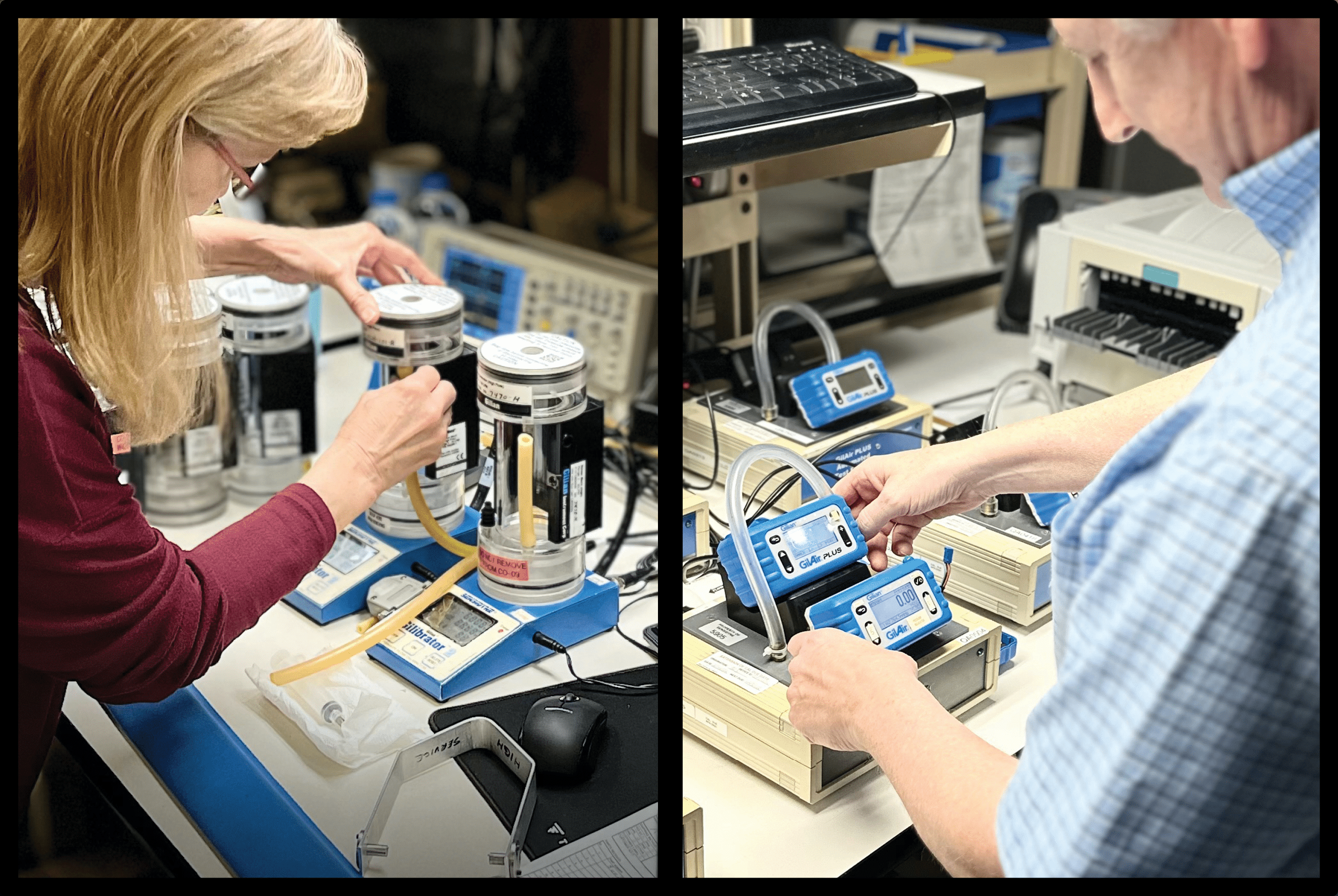
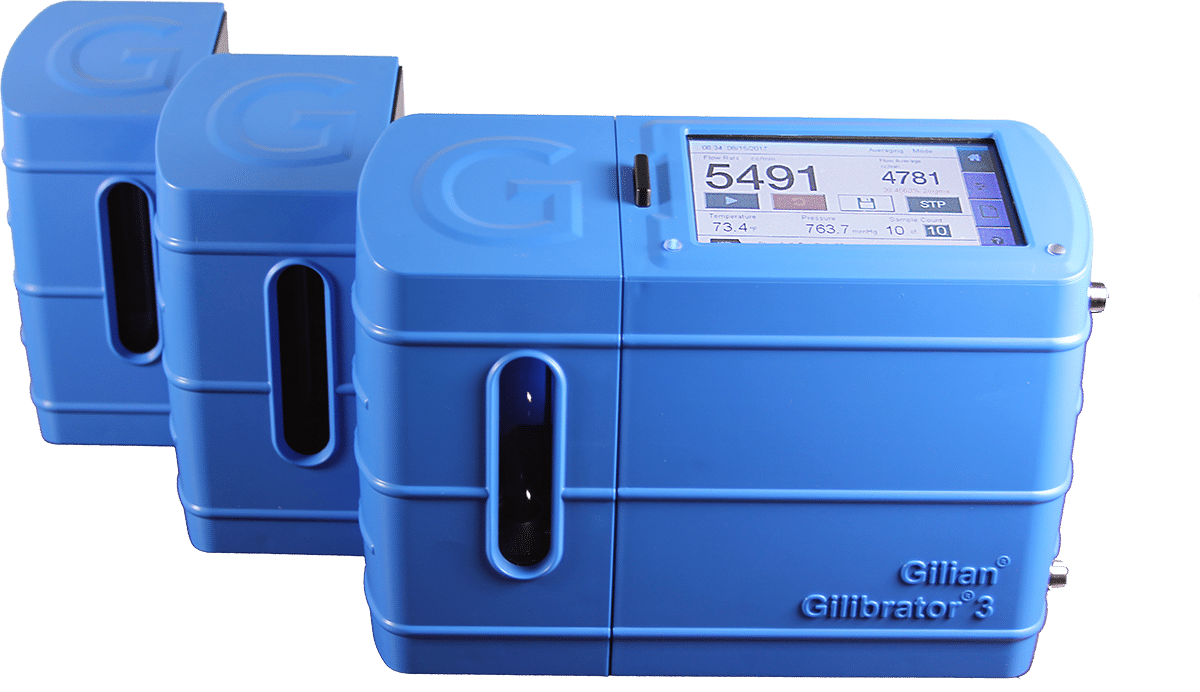
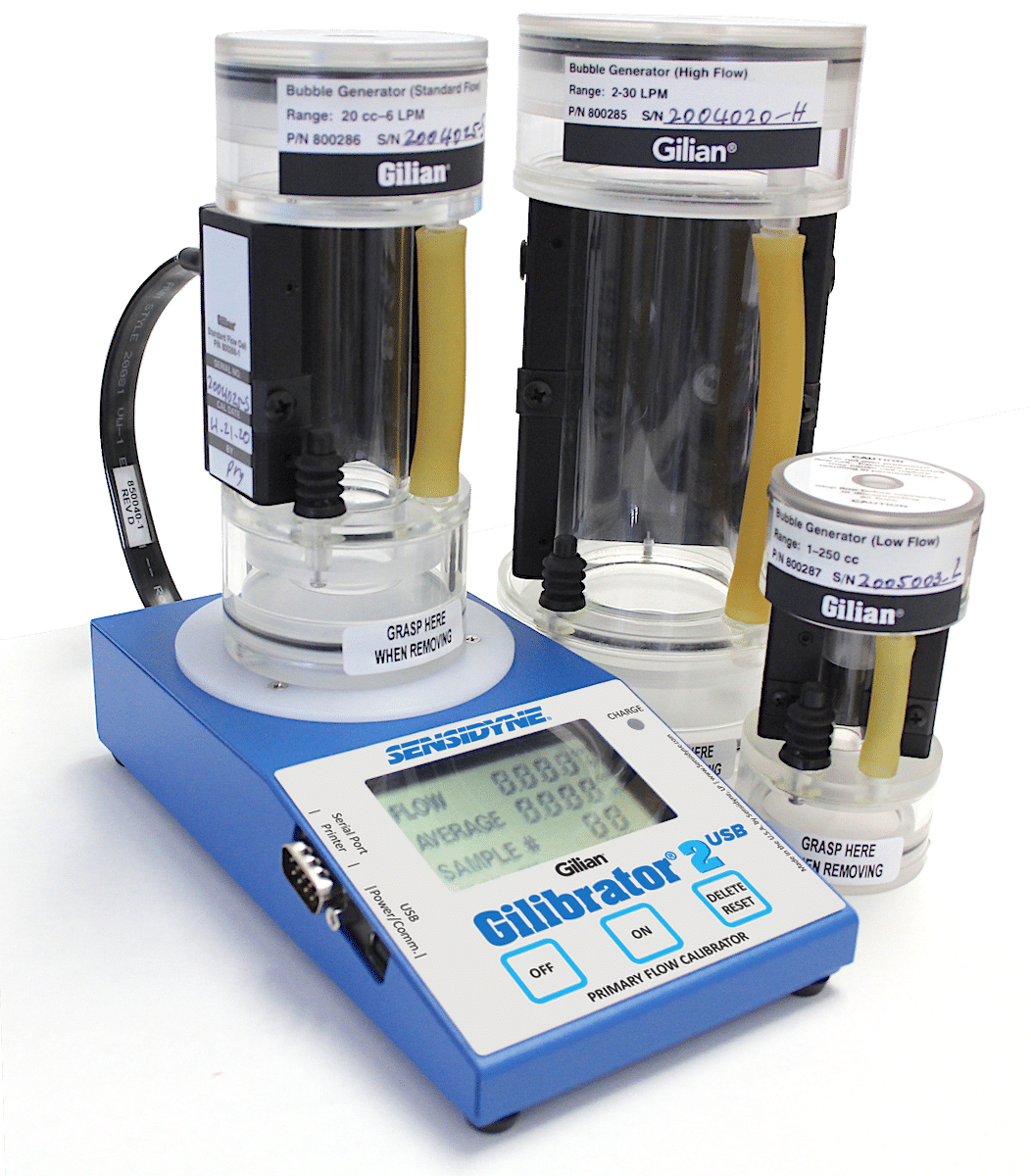
Calibration of air sampling equipment is critical to ensure the accuracy and reliability of air sampling data. Calibration equipment such as the Go-Cal Pro (portable) Gilibrator 3 (dry cell) and Gilibrator-2 (wet cell) are used to adjust the flow rate of air sampling pumps and validate drift in flow rates between starting and ending values. These devices measure air volume accurately and therefore provide a reference point. Proper calibration ensures that the volume of air sampled is known, leading to accurate reporting of contaminant concentrations.
4. What are the different types of collection media used in air sampling, and how are they chosen?
Air sampling uses various collection media, including filter cassettes, sorbent tubes, impingers, and gas bags.
- Filter cassettes are typically used for capturing particulates and fumes.
- Sorbent tubes are designed to capture gases and vapors.
- Impingers are used for capturing other airborne hazards which need to be captured and stabilized within a liquid medium.
- Gas Bags are typically used for collecting samples of hazardous gases and vapors, where the substance may be unknown, or a grab sample may be needed to check for peak (Ceiling) exposure limits.
The selection of the appropriate collection media depends on the nature of the contaminant being sampled, including its physical state (gas, vapor, particulate), concentration, and the analytical method to be used. The Sensidyne Catalog (p. 39) offers a contaminant reference guide to aid in the selection of the appropriate method and corresponding media.
5. What are the key components of a complete air sampling system, and how do you choose them?
A complete air sampling system typically consists of
- Air sampling pump
- Collection media (sorbent tube, filter cassette, etc.)
- Media accessories (tube holder, cassette holder, impinger, or cyclone)
- Tubing to connect the pump to the collection media and/or accessory
- Calibration instrument for setting and validating pump flow
The selection of the proper components begins with the contaminant you are looking to measure. Other considerations include the environment where the sampling will take place, how much material will need to be collected and the analysis you are going to perform. The Sensidyne Catalog (p. 4) offers guidance on specifying your air sampling train.
6. Besides sampling equipment, what other support services are offered by Sensidyne?
Sensidyne provides Certified Factory Service and expert advice from the people who manufactured the equipment:
- Calibration services to ISO/IEC 17025:2017 standards and NIST traceable
- Equipment repair with a Quality Management System (QMS) certified to ISO 9001:2015 standards
- Gilian GilCareTM Service Programs for annual calibration and extended warranty plans
- Contaminant reference guide to help select the right sampling media
- Expert IH assistance in designing custom air sampling solutions